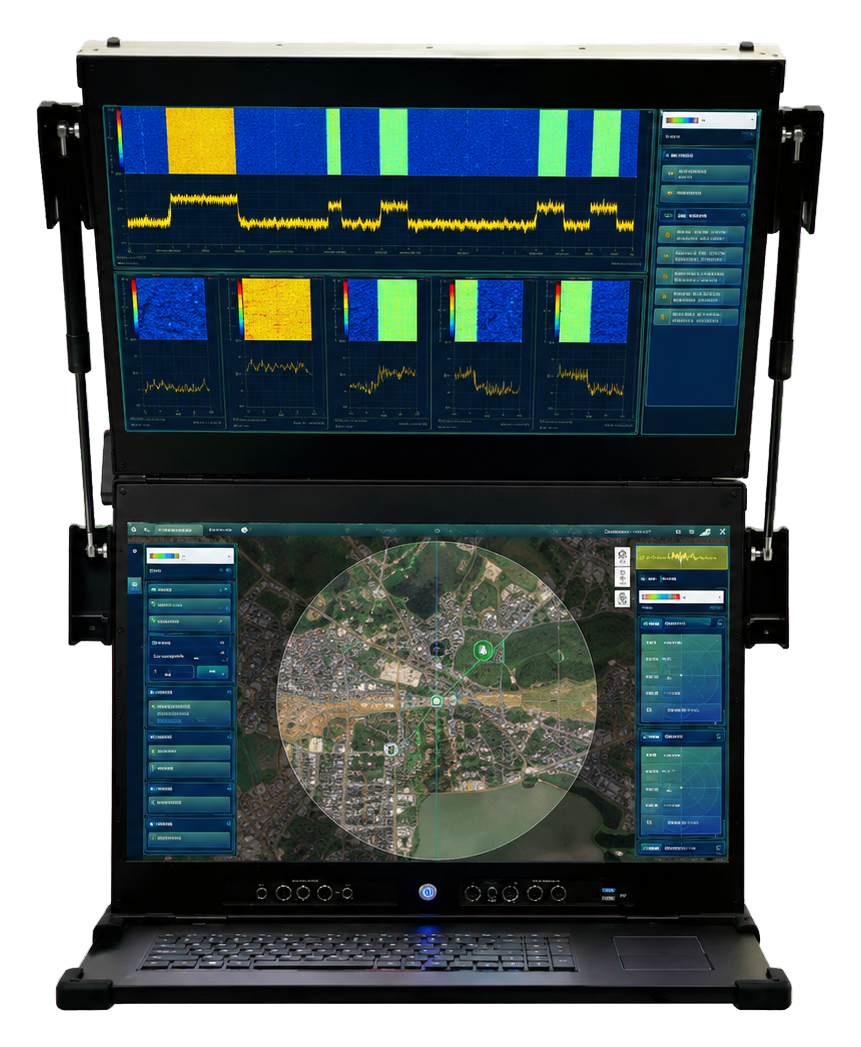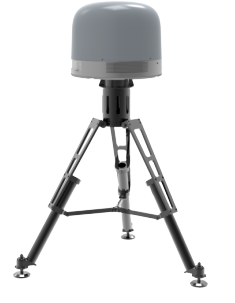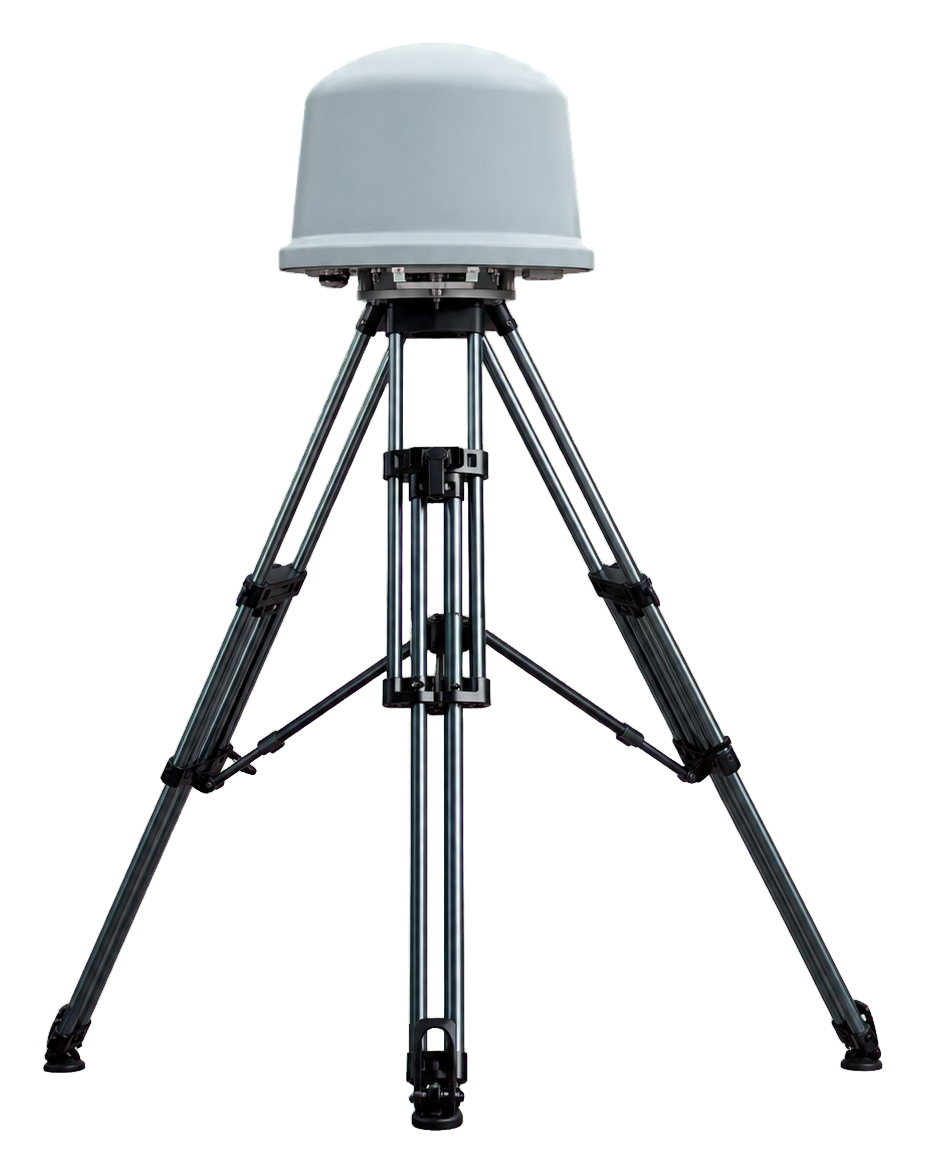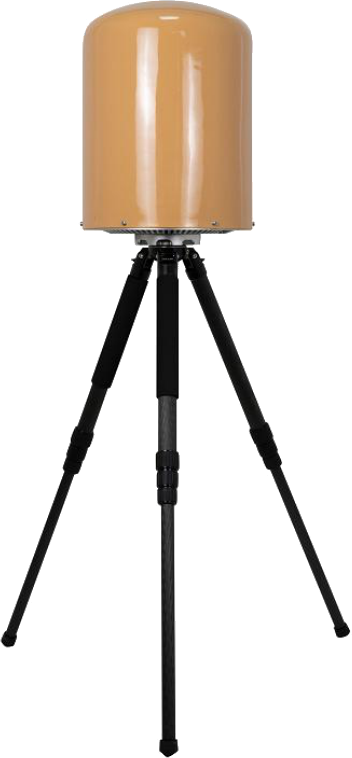

Unify the object model before integrating devices
Vendors often define targets, alerts and status differently. A platform needs explicit objects for site, sensor, observation, target, track, identity, alert, task and incident, each with identifiers, timestamps, coordinates, quality and provenance.
Interfaces should carry device health, synchronisation, calibration and algorithm versions—not only coordinates. Otherwise the platform cannot distinguish quiet airspace from a failed sensor.
An incident model connects evidence with workflow
A low-altitude incident moves through detection, association, confirmation, classification, authorisation, response and closure. Each step should record its trigger, operator, evidence snapshot, time and result. A disappearing track does not erase the incident.
- An alert is a system prompt; an incident is a managed business object.
- Multiple alerts from one target should share one incident context.
- Allowlist matches should remain auditable rather than deleting observations.
- Response policies must bind to user role, geography and mission authority.
Automation must remain explainable
Rules may prioritise by zone, time, target type, behaviour and confidence, but operators should see why a rule fired. Active-device linkage needs explicit confirmation points, interlocks and timeout rollback so that one abnormal observation cannot trigger an irreversible action.
Design for degraded operation
A network outage, offline station or cloud interruption should not remove all local capability. Edge nodes can retain alerts and cache events, then reconcile after recovery. The central platform should display data age and gaps so stale information is not mistaken for live awareness.
Acceptance should test the operational loop
Beyond throughput and screen response, test device-fault detection, alert-to-confirmation delay, permission enforcement, incident retrieval, log completeness, offline buffering and report export. A good platform keeps evidence, decisions and accountability aligned.
References and further reading
This article is an original engineering synthesis based on the following standards, official material and primary research. External sources are provided for verification and further study.